Unlock Your Website's Potential: The Ultimate WordPress SEO Audit Service Handbook
The manual known as "Unlock Your Website's Potential: The Ultimate WordPress SEO Audit Service" functions as an essential resource for individuals aiming to strengthen their site's online visibility. It offers a structured approach to carrying out a complete SEO evaluation, covering critical elements like technical reviews and content standards. Understanding these elements can result in substantial advancements in online exposure and audience connection. However, some tend to miss important aspects that could hinder their progress. What exactly are those overlooked details?
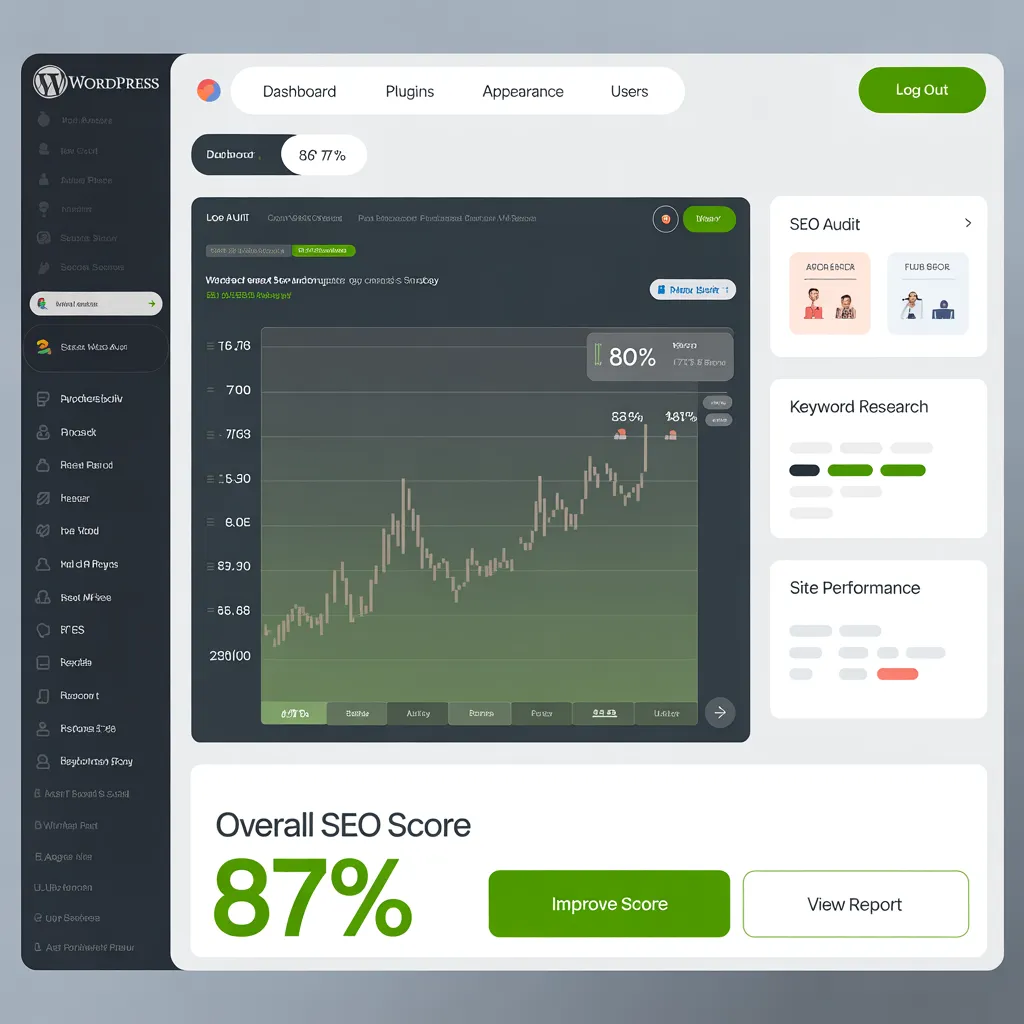
How to Conduct an Effective SEO Audit
To perform a thorough SEO audit, one must systematically assess the numerous factors that affect a website's performance in search engines. The procedure starts by assessing the site's technical foundation, confirming that it is reachable to search engines and users alike. Aspects like site speed, mobile compatibility, and secure connections play critical roles in overall effectiveness.
Furthermore, content standards must be carefully evaluated, paying close attention to relevance, keyword optimization, and originality. Analyzing user engagement metrics helps reveal how effectively content resonates with visitors.
Furthermore, examining link profiles and domain strength is crucial for measuring a domain's authority and market position. Identifying broken links and optimizing meta tags further enhance the website's discoverability.
Finally, tracking and monitoring performance through analytics tools guarantees sustained progress. A thorough audit not only identifies weaknesses but also uncovers opportunities for growth, effectively boosting a website's presence and performance in search engine results.
Critical Aspects of Your SEO Audit Checklist
When evaluating a website's SEO performance, two key factors stand out: on-page optimization elements and a technical SEO framework. These elements play a pivotal role in enhancing visibility and user experience. A thorough understanding of each aspect is essential for a comprehensive audit.
On-Page Ranking Optimization Factors
Key on-page optimization elements play a vital role in boosting a website's search engine performance and overall user experience. Key elements include the purposeful placement of keywords in titles, headers, and content to ensure relevance and enhance rankings. Meta descriptions must be engaging and precisely represent page content, driving click-throughs. Moreover, the significance of premium, original content cannot be underestimated, as it attracts users and minimizes bounce rates. Image optimization, including alt text and file sizes, contributes to faster loading times and accessibility. Internal linking strengthens navigation and clarifies content hierarchy, while mobile responsiveness provides a smooth experience across all devices. Combined, these components build a robust framework for effective SEO, increasing organic traffic and optimizing overall site performance.
Technical SEO Overview
A detailed technical SEO checklist is critical for identifying and resolving challenges that might affect a website's performance in organic search standings. Essential factors encompass assessing page load times, verifying mobile optimization, and confirming HTTPS protocols. Additionally, optimized URL formats and optimized XML sitemaps support improved crawling and indexing by web crawlers. One must identify broken links and implement redirects where necessary to improve the user experience. Verifying that robots.txt files are accurately structured stops accidental exclusion of significant content. Moreover, structured data markup enhances search visibility by giving search engines meaningful context. Regularly conducting a technical SEO audit helps webmasters preserve top-level performance and keep an edge in competitive online environments.
How to Improve Your Content for Search Visibility
Improving content for better search visibility requires a strategic approach that balances informative writing with keyword integration. To accomplish this check now goal, content creators should conduct thorough keyword research, identifying terms and phrases that resonate with their target audience. Incorporating these keywords naturally into headings, subheadings, and body text boosts relevance without sacrificing readability.
In addition, producing high-quality, engaging content is essential. This encompasses utilizing a well-defined structure, integrating multimedia components, and meeting user intent. Creating impactful meta descriptions and title tags that feature primary keywords can further improve click-through rates.
Routinely revising content is also essential; fresh information signals to search engines that the website remains relevant. Finally, guaranteeing content is distributable on social media networks can boost reach and visibility. By following these strategies, website owners can greatly enhance their content's search visibility, driving organic traffic and improving overall site performance.
Leading Tools for Your WordPress SEO Audit
Conducting a thorough SEO audit for a WordPress site demands the appropriate tools to identify opportunities for improvement and boost search performance. Critical tools encompass Google Analytics, which tracks user behavior and traffic sources, helping identify effective content. Meanwhile, Google Search Console is invaluable for monitoring site health and understanding how search engines index the site.
SEO tools like Yoast SEO and All in One SEO offer real-time optimization recommendations, making sure content adheres to best practices. When conducting technical audits, platforms including Screaming Frog SEO Spider help analyze site architecture while identifying broken links or absent metadata. Furthermore, SEMrush and Ahrefs offer thorough keyword research and competitor intelligence, critical for improving SEO strategies. By utilizing these tools, webmasters can acquire actionable data, ultimately improving their site's visibility and performance in search engine results.
SEO Audit: Common Pitfalls to Avoid
When conducting an SEO audit, numerous website owners tend to miss frequent mistakes that could weaken their work. A significant oversight is overlooking the need to check the web page's mobile-friendliness. With increasing mobile user activity, a website that lacks mobile optimization can see a decline in search rankings. In addition, failing to analyze site speed can result in an unsatisfactory browsing experience and higher bounce rates.
A commonly neglected factor is neglecting the value of URL structure. Concise, informative URLs support more effective indexing and enhance user understanding. Moreover, a great number of audits neglect the assessment of on-page SEO elements, such as title tags and meta descriptions, which are fundamental for visibility in search results.
Lastly, webmasters frequently prioritize only technical components while neglecting the quality of their content. Relevant, high-quality content is vital for capturing visitor interest and enhancing search engine rankings. Avoiding these pitfalls can greatly enhance the performance of an SEO audit, resulting in more effective optimization results.
How to Know If Your Audit Was Successful: Important Metrics to Monitor?
Upon finishing a thorough SEO audit, it is important to evaluate its impact through critical performance indicators. Organic traffic growth, advancements in keyword rankings, and an analysis of bounce rates deliver important information regarding the effectiveness of the modifications that were applied. Analyzing these measurements can help determine the comprehensive influence of the audit on the performance of the website.
Organic Visitor Growth
Evaluating the performance of an SEO audit is determined by a few key metrics that signal organic traffic growth. One primary metric is the aggregate number of organic visitors to the website, which can be analyzed using tools like Google Analytics. In addition, monitoring the bounce rate offers a glimpse of user engagement; a declining bounce rate often indicates improved content relevance. Per-session page views can also reveal how effectively users navigate the site. Furthermore, tracking the average session duration enables evaluation of whether visitors consider the content worthwhile. As a final point, analyzing referral sources can identify which channels fuel organic traffic. As a whole, these metrics provide an in-depth view of how well an SEO audit enhances organic traffic growth.
Keyword Ranking Improvement
Monitoring keyword ranking progress acts as a critical signal of an SEO audit's success. Through tracking key metrics, website owners can assess the influence of their SEO strategies. Essential metrics include changes in rankings for targeted keywords, the volume of keywords ranking on the first page, and fluctuations in search engine visibility. Furthermore, reviewing the mean ranking of keywords across time provides insight into whether tactics are generating meaningful improvements. Utilizing tools like Google Search Console and keyword tracking software can simplify this workflow, providing comprehensive insights. At the core, consistent improvements in keyword rankings signal that the SEO audit has effectively improved the site's standing and influence, creating the foundation for sustained organic traffic growth.
Bounce Rate Evaluation
Analyzing bounce rate data yields valuable insights into the efficiency of an SEO review. A notable bounce rate typically implies that visitors are disengaging from the online platform, suggesting underlying concerns regarding site usability or content alignment. On the other hand, a falling bounce rate in the wake of an SEO audit can demonstrate progress in keyword alignment, content quality, and site navigation.
Essential metrics to observe consist of the average time spent on the site and the total pages explored per session. Such metrics assist in evaluating user engagement and satisfaction. In addition, segmenting bounce rate data by traffic source can reveal which channels are most effective. Evaluating these data points yields a better view of the audit's performance and aspects that demand further refinement.
Put Your SEO Audit Findings Into Action
Acting on the findings of an SEO audit is critical for improving the performance of a website. After the audit has been completed, ranking the discovered issues by importance is essential. Website owners should begin by addressing high-impact areas, like technical SEO errors, which can significantly impact rankings in search engines. Carrying out the advised modifications, such as enhancing page load speed and resolving broken links, should be a top priority.
Moreover, enhancing page-level factors, including content quality and meta tags, helps improve audience engagement and decrease bounce rates. Routinely revising material based on keyword insights also guarantees sustained visibility in search results.
In conclusion, establishing a tracking system to track the success of these updates is crucial. Utilizing tools like Google Analytics can provide insight into shifts in traffic and user behavior over time. By systematically addressing audit findings, site administrators can maximize their site's full capacity, improving visibility and generating increased organic visitors.
Frequently Asked Questions
How Often Should I Perform an SEO Audit on My Website?
An SEO audit needs to be carried out a minimum of every six months to guarantee a website remains optimized and competitive. That said, more consistent audits—like quarterly reviews—may be highly valuable, most notably after substantial shifts in algorithms or website content. Regular assessments help identify technical issues, content gaps, and opportunities for improvement, thereby improving search visibility and user experience. Staying proactive in auditing can lead to sustained online success and better search engine rankings.
Can You Conduct an SEO Audit Without Any Technical Expertise?
Yes, it is possible to perform an SEO audit without any technical expertise. Many user-friendly tools and online platforms provide step-by-step guidance, enabling users to evaluate their website's SEO performance. A fundamental understanding of SEO principles, such as keyword usage and content quality, can improve the process. That said, for more intricate problems, reaching out to experts or leveraging detailed guides may prove valuable in achieving a comprehensive review.
What Is the Pricing for Professional SEO Audit Services?
The cost of professional SEO audit services can vary greatly, usually spanning from $500 to several thousand dollars. Elements that affect the cost include the complexity of the website, the depth of analysis required, and the expertise of the service provider. Smaller websites may incur lower costs, while larger or more complex sites often necessitate thorough audits, leading to higher fees. Businesses should examine their demands and budget thoughtfully before deciding on a service.
What Is the Typical Duration of an SEO Audit?
The duration of an SEO audit usually spans several hours to multiple days, depending on the complexity of the website and the depth of the analysis required. For smaller sites, a fundamental audit can typically be finished within one to three hours, whereas larger or more complex sites could need a week or longer for a comprehensive assessment. Being thorough is critical, since it ensures every element of SEO is properly examined and handled.
Will an SEO Audit Improve My Website's User Experience?
An SEO audit has the potential to significantly enhance a website's visitor experience. Through pinpointing problems including slow loading times, inadequate site navigation, and designs that lack mobile compatibility, the audit highlights areas for enhancement. Executing the proposed modifications can result in quicker page loading times, clearer content organization, and a more intuitive interface. These improvements not only satisfy user expectations but also improve overall user engagement and retention, which ultimately results in a more positive online experience for visitors.